
Sharing the shore
This article was published in the Mangawhai Focus, November 2025.
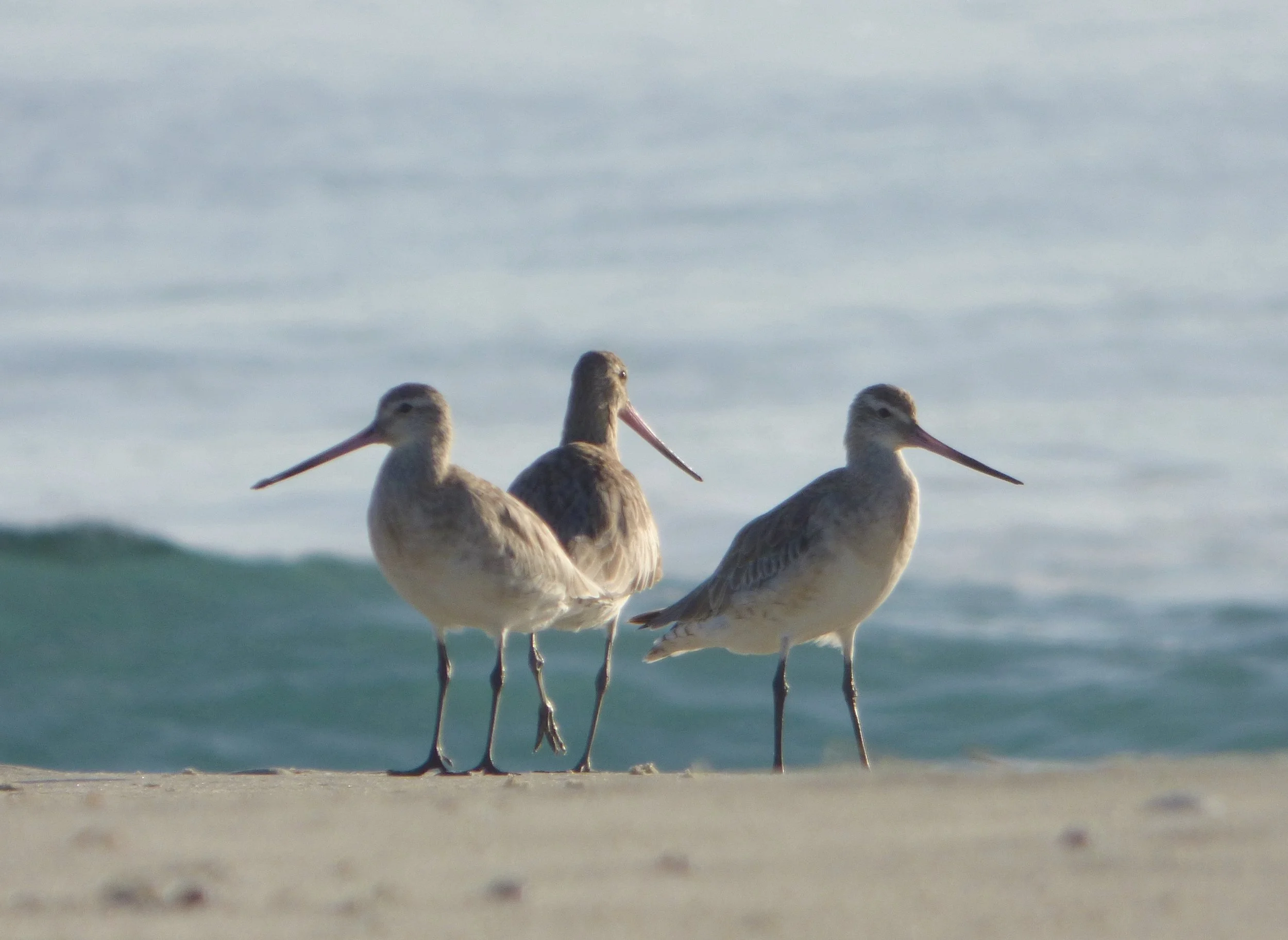
Kuaka (Bar-tailed godwit).
The Mangawhai Estuary may be small, but it punches well above its weight when it comes to biodiversity – especially seabirds, shorebirds and wetland birds.
As most will know, Mangawhai is the single most important site for Tara iti NZ fairy tern, Aotearoa New Zealand’s most endangered bird, who have now begun their breeding season. But the estuary is also home to over 30 other Threatened and At-Risk bird species!
At this time of year the sandflats are alive with manu - you can easily see huge flocks of Kuaka Bar-tailed godwit, busily feeding after their non-stop flight from Alaska – the longest continuous animal migration on Earth!
Many will be familiar with Tūturiwhatu the Northern NZ dotterel – most beaches are lucky to host a handful of these iconic coastal birds, but Mangawhai is a true stronghold, boasting the largest population in the country with over 250 birds
And if you’ve ever ventured out to the Mangawhai Wildlife Refuge sand spit over summer, you’ve likely met feisty Tōrea pango the Variable oystercatcher. These excellent parents will not hesitate to dive-bomb anyone who wanders too close to their nest. It’s their not-so-subtle way of reminding us to give our birds the space they need to rest, feed and breed.
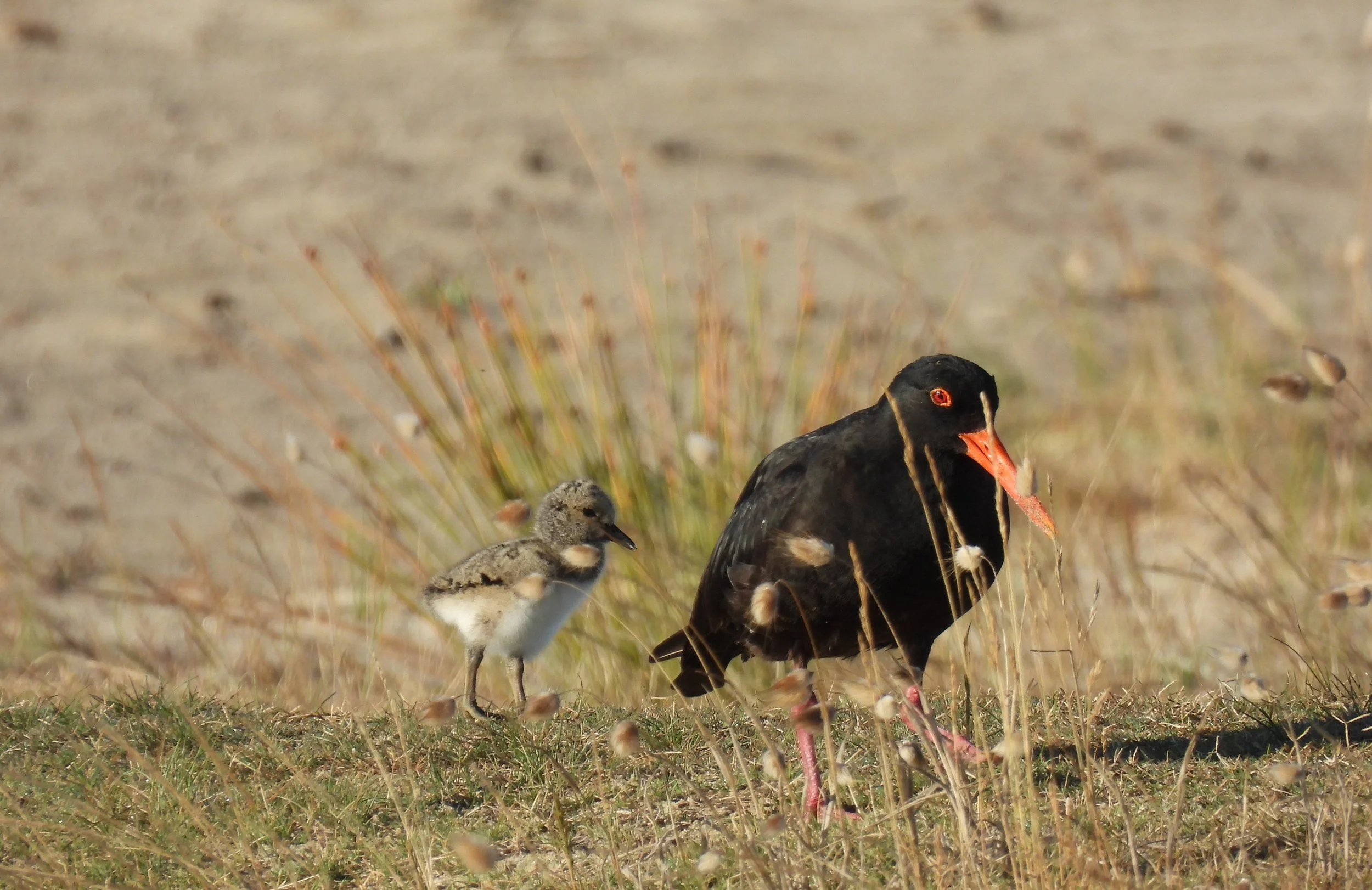
Tōrea pango (Variable oystercatcher).
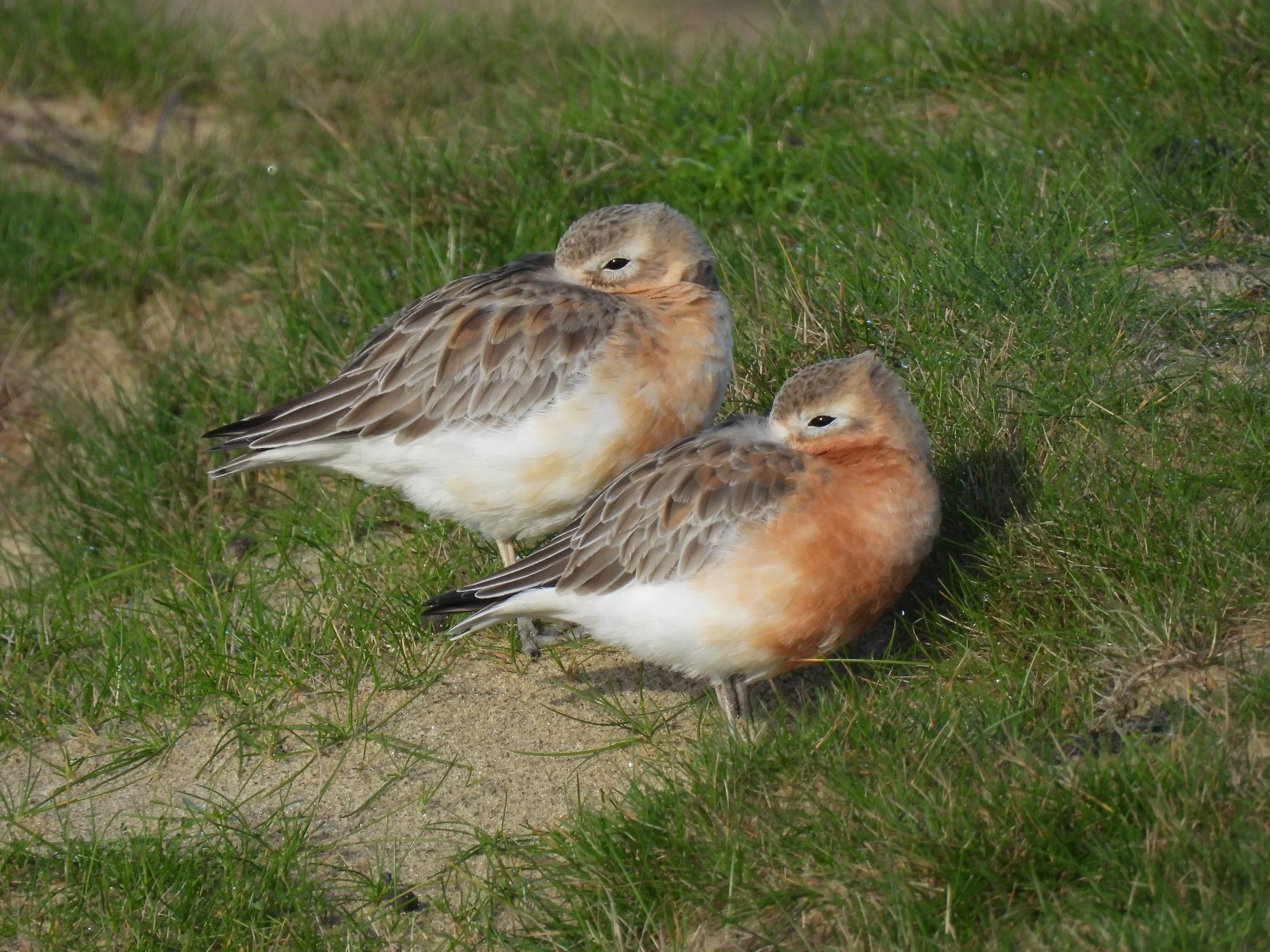
Tūturiwhatu(Northern NZ dotterel)
Simple actions like giving these birds undisturbed space to feed and rest are hugely important ways we can help, and be mindful guests when visiting their estuary home. It might seem like a small action – but when you’ve just flown 13,560km non-stop like the Kuaka, a feed and rest could be the difference between life and death!
As you venture further up the estuary, into the saltmarsh and mangrove habitats, the manu become more secretive. These areas are critically important for birds like Matuku hūrepo the Australasian bittern who you may hear ‘booming’ to attract a mate, or Moho pererū the banded rail which many mistake for a Weka (we don’t have Weka in Mangawhai!). These beautiful little rails commute twice daily with the tides, moving between their saltmarsh roosts and their mangrove feeding grounds.
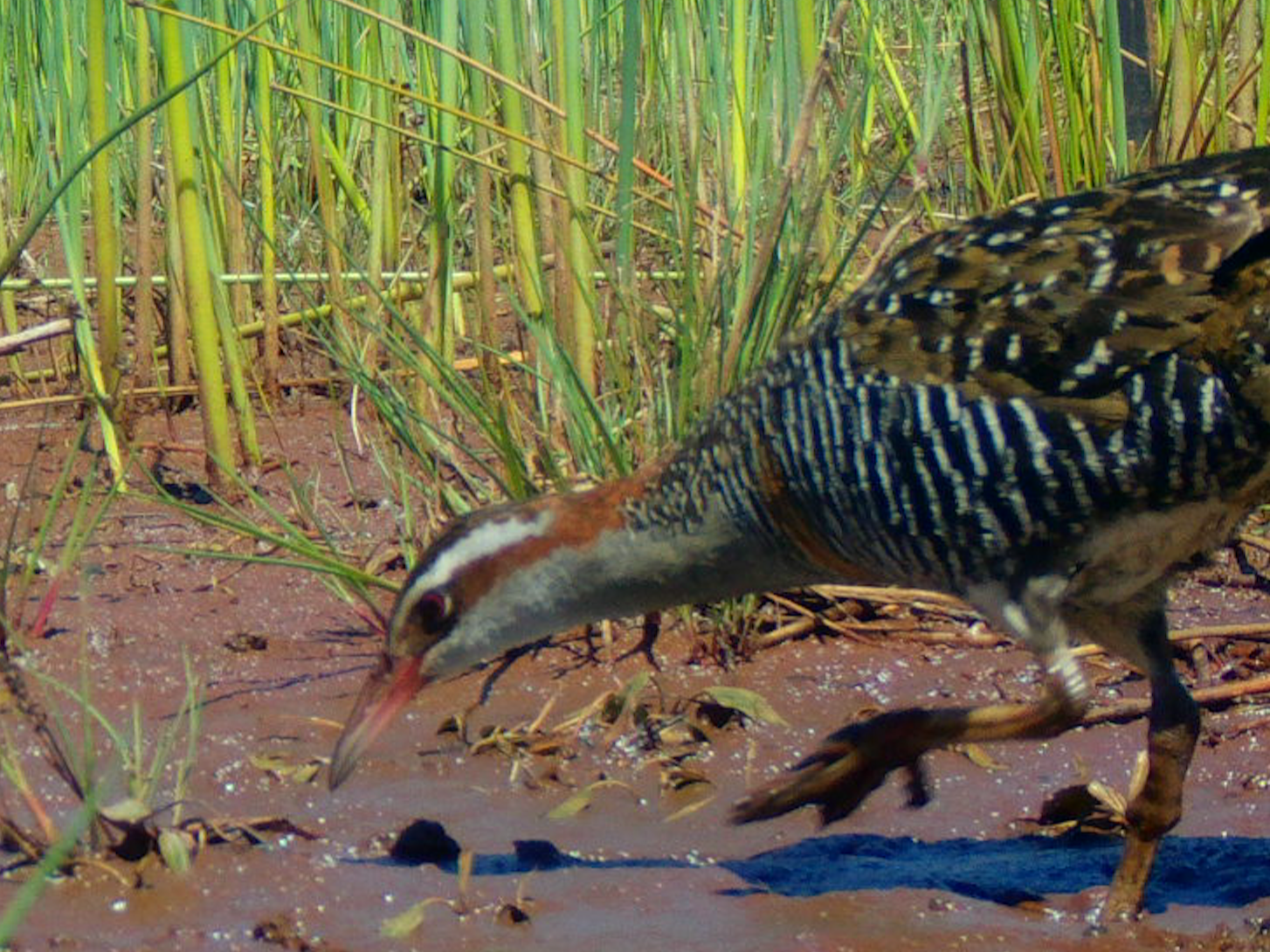
Moho pererū (banded rail).
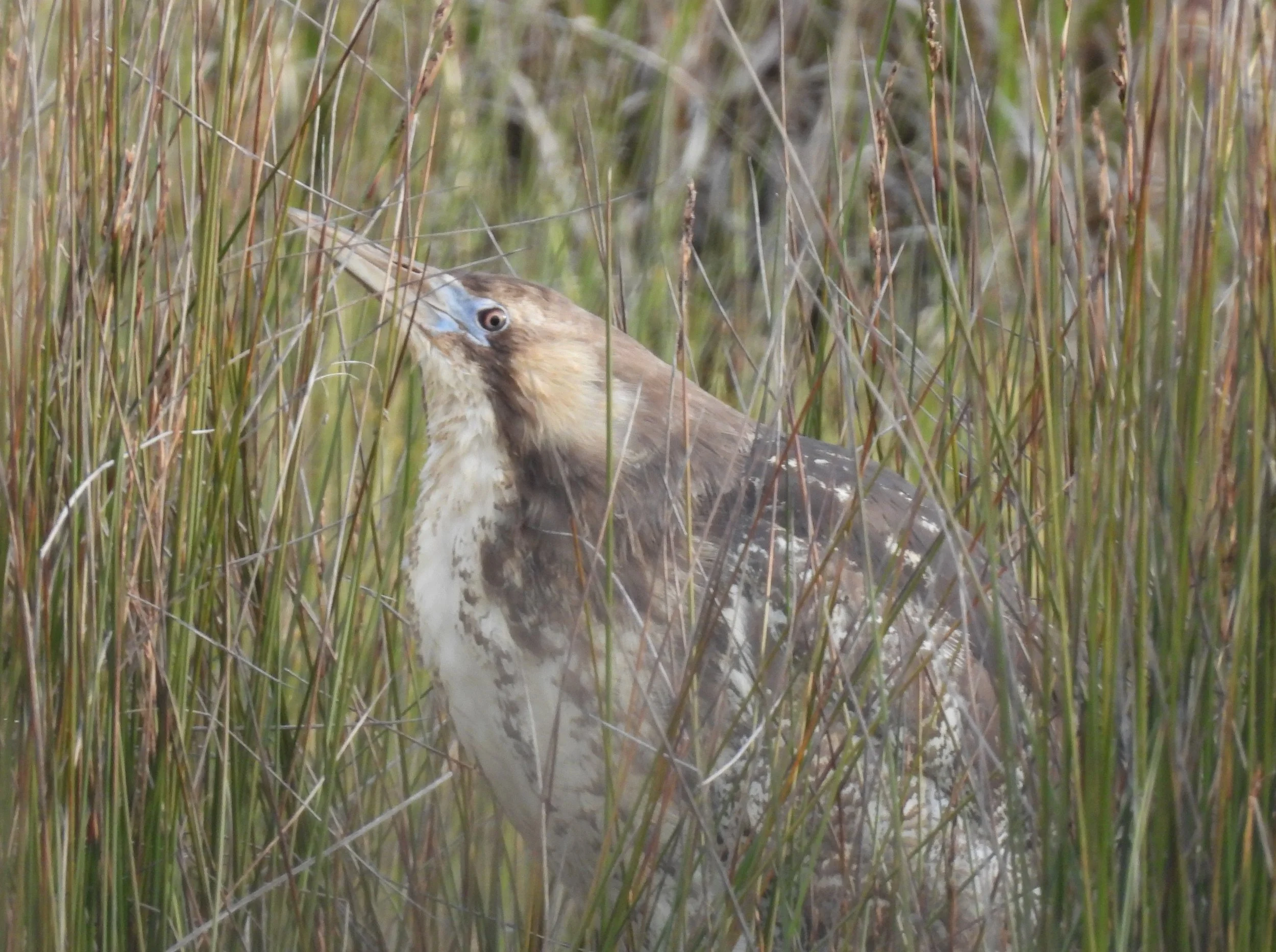
Matuku hūrepo (Australasian bittern).
This incredible diversity of species and habitats has earned the Mangawhai estuary national and international recognition for ecological importance.
It’s truly remarkable that residents and holiday makers alike have access to such an array of threatened wildlife right on our doorstep. It’s one of the reasons Mangawhai is such a great place to live and visit!
There are many ways we can play a role in maintaining and enhancing the health of our estuary and its special wildlife. From hands-on activities like fencing and planting waterways to reduce muddy sediment entering the harbour, joining predator control efforts, or simply giving wildlife the space to rest, feed and breed. Our collective actions will ensure Mangawhai remains magical for generations to come!